Masai Mara safari
Home Destinations Masai Mara
The Best Masai Mara Safari Guide
There is a reason the Masai Mara is one of the most popular destinations among travellers globally. Golden grassland stretching to the horizon, the wonder of the Great Wildebeest Migration, and lion prides dozing in the shade of flat-topped acacias, there are only a few places on earth that deliver wildlife this consistently, or this close. If you're planning the best Masai Mara safari for your own trip, here's everything you need to know before you go: when to travel, where to stay, what it costs, and how to put together an itinerary that actually matches the experience you're after.
Why the Masai Mara Belongs on Your List
The Masai Mara National Reserve is found in southwest Kenya along the Great Rift Valley, bordering Tanzania's Serengeti National Park. Together, the two parks form one continuous ecosystem, which is exactly why the wildlife here is so abundant. You will find the Big Five all year round (lion, leopard, rhinocerus, elephant, and buffalo), and the reserve's open plains make sightings easier than almost anywhere else in Africa. Add in the Maasai communities who have called this land home for generations, and a Masai Mara safari becomes as much a cultural experience as a wildlife one.
Few destinations combine this much variety with this much reliability. You can watch a pride of lions at dawn, drift over the plains in a hot air balloon by mid-morning, and sit down to a bush breakfast before most people back home have finished their coffee. It's this density of experience, packed into just a few days, that keeps drawing travelers back — and why so many people planning their first African safari start their research here.
Understanding the Reserve and Its Conservancies
One thing that most first-time visitors usually don't know is that the Masai Mara isn't a single, uniform block of land. It's made up of the publicly managed National Reserve, plus several privately run conservancies, such as Naboisho, Olare Motorogi, Mara North, and Ol Kinyei among them, that surround it.
The distinction matters for the kind of safari you'll have. Inside the reserve, vehicles must stay on designated tracks. In the conservancies, guest numbers are strictly capped, off-road driving is allowed, and you can go out at night or on foot with a guide, experiences that are not possible inside the reserve itself. Many of the best camps sit inside these conservancies for exactly this reason: fewer vehicles, more flexibility, and wildlife that's noticeably less habituated to tourist traffic.
If you're comparing Masai Mara safari packages, it's worth checking whether the itinerary includes conservancy time, reserve time, or both as this significantly influences the quality and experience of your safari.
Best Time to Visit
You can have a rewarding Masai Mara safari in Kenya at almost any time of year, but the calendar does determine your experience.
- June to October (dry season): This is peak season, and for good reason — it's when the Great Wildebeest Migration moves through, with dramatic river crossings at the Mara and Talek Rivers. Skies are clear, vegetation is low (making animals easier to spot), and this is when most travelers plan their trip.
- November to May (green season): Expect lush landscapes, newborn wildlife during the calving months, dramatic cloud formations for photography, and noticeably fewer vehicles at sightings. Rates also tend to be lower, making this a smart window if budget flexibility matters more than migration timing.
Neither season is a wrong choice, it simply depends on whether witnessing the wildebeest migration itself is the priority.
Top Masai Mara Activities
A great Masai Mara safari holiday is built around a mix of experiences, not just game drives:
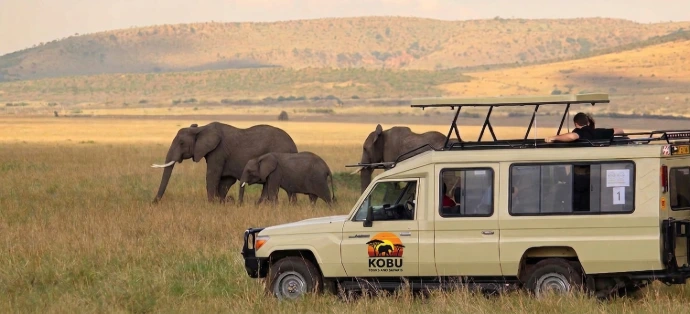
Game Drives
Morning and afternoon drives remain the core of any itinerary, using open 4x4 vehicles for close, unobstructed wildlife viewing.

The Great Wildebeest Migration
Witnessing thousands of wildebeest and zebra crossing the Mara River is one of the most dramatic wildlife spectacles anywhere
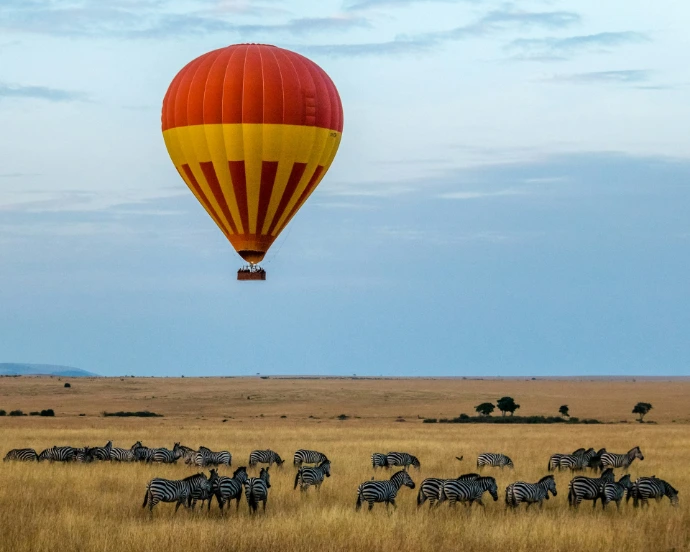
Hot air balloon safaris
A sunrise flight over the plains, often followed by a champagne breakfast in the bush.
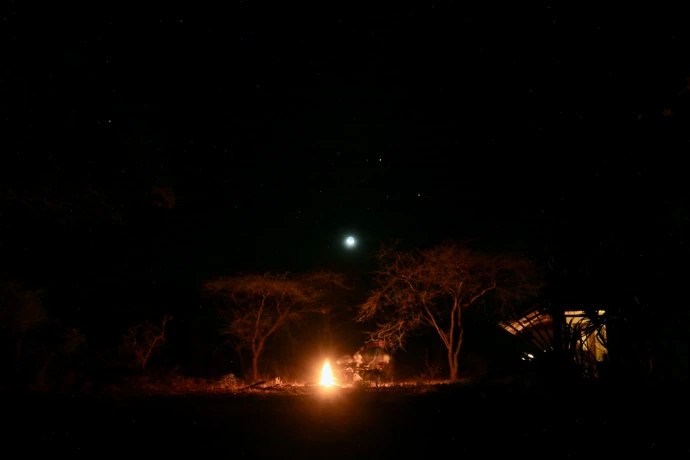
Guided walking safaris and night drives
Available in the private conservancies, offering a completely different perspective on the ecosystem.
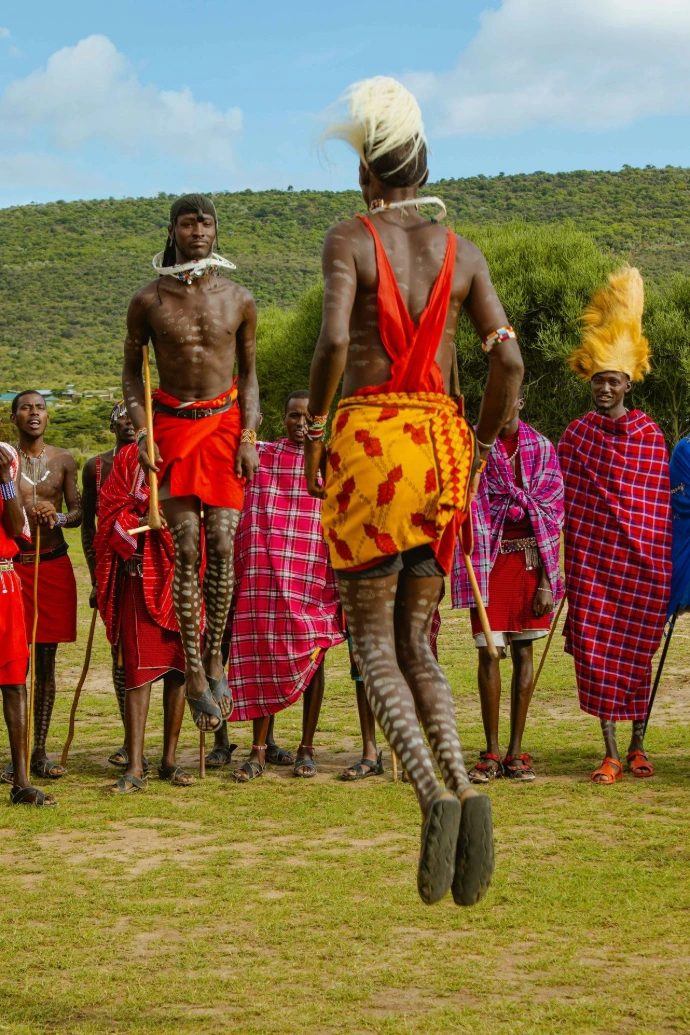
Cultural visits
Spending time with local Maasai communities, learning about traditions that have endured for centuries alongside this landscape
Masai Mara Safari Lodges and Camps
Where you stay shapes the trip as much as the itinerary does, and the Mara has one of the widest ranges of accommodation in Africa. You can opt for simple tented camps to some of the most exclusive lodges on the continent.
At the top end, properties like The Ritz-Carlton, Masai Mara Safari Camp have brought a new level of five-star polish to the region, pairing luxury hospitality with a genuine bush setting. Alongside it sits a strong roster of established Masai Mara safari lodges and camps set inside the conservancies, tented camps overlooking rivers and migration crossing points, family-run properties known for their guiding, and boutique lodges built around sustainability and community partnership. Whichever direction you lean, look for camps with strong guiding, a location inside or near a conservancy, and a genuine relationship with the surrounding Maasai community.
Masai Mara Safari Cost
Masai Mara safari price varies enormously depending on season, camp category, and how many days you spend in the Mara versus combining it with other parks. A few things that consistently affect the total cost of your trip
- Accommodation category: mid-range tented camps sit well below ultra-luxury lodges, though even "budget" Mara safaris rarely qualify as truly cheap given the region's remote setting and conservation-linked fee structure.
- Season: dry-season, peak-migration travel (July–October) commands the highest rates; green-season travel is typically more affordable.
- Park and Conservancy Cost: the National Reserve charges a daily, per-person conservation fee, and conservancies add their own nightly fee on top of camp rates. These fees fund conservation and community programs, and they're usually built directly into your package price rather than charged separately. The entrance fee for the National Reserve is $100 per non resident adult per day and $50 per child. For the conservancies, the cost ranges between $80–120 per person per night.
- Flying vs. driving — flying safaris (into one of the Mara's airstrips) cost more than road transfers from Nairobi but save significant time. You can expect to pay around $200 to $250 per person for a flight from Nairobi to Masai Mara. Via road, the cost is usually around $200 for a 7-seater land cruiser vehicle, which means that the average cost per person would be around $30.
- Verdict: For a 3-day Masai Mara safari, you can expect to pay around $210 via road and $739 Flying safari.
Because pricing shifts with the seasons, it's always worth confirming current rates directly with your safari operator rather than relying on older estimates. As a general rule, the more nights you spend in a private conservancy, the more you're paying for exclusivity and access, not just a bed.
Itinerary: 3-Day Masai Mara Safari from Nairobi
Fly from Nairobi's Wilson Airport to the Mara (around 45 minutes), arriving in time for a short game drive to your camp, lunch, and an afternoon drive. Via road, it will take around 6 hours to drive from Nairobi to the Reserve.
Meals: Lunch & Dinner
Accommodation: Mara Sopa Lodge / Mara Serena Safari Lodge (or other preferred)
A full day of game viewing, with morning and late-afternoon drives bookending time to relax at camp. Experience the wildlife (cheetahs, lions, leopards, rhinos, buffalos, impalas, zebras). During the October season, you can expect to witness the wildlife. This is also the day to consider an optional hot air balloon safari at sunrise.
Meals: Breakfast - Lunch - Dinner
Accommodation: Same as in Day 1
One final morning game drive before flying back to Nairobi, connecting onward to your next destination or international flight home.
Meal: Breakfast & Lunch
Planning Your Masai Mara Safari Holidays
A few practical points worth knowing before you book:
- Getting there: Most travelers fly into Nairobi's Jomo Kenyatta International Airport, transfer to Wilson Airport, then take a short scheduled flight to one of the Mara's airstrips nearest their camp.
- Visas: Kenya requires an electronic travel authorization for most visitors, arranged in advance online — this cannot be obtained on arrival, so build it into your planning timeline.
- Health: Speak with your doctor or a travel health clinic ahead of time about malaria prevention and any recommended vaccinations for your specific circumstances.
- Families: Many camps welcome children, though minimum age policies vary by property — worth confirming early if you're traveling with kids.
- What to pack: Neutral-colored clothing, layers for cool mornings and warm afternoons, a good pair of binoculars, and sun protection go a long way. Most camps offer laundry service, so you can pack lighter than you think.
- Combining destinations: If you have more than a week, consider pairing the Mara with the Kenyan coast, Amboseli's elephant herds and Kilimanjaro views, or Lake Naivasha en route from Nairobi — all realistic additions to a longer Kenya itinerary.
Start Planning Your Masai Mara Safari
Whether you're considering 3-day visit to the reserve or a longer stay woven through multiple conservancies, the Masai Mara rewards travelers at every budget and pace. The best trips tend to share the same ingredients: a well-guided camp in the right location, a season that matches your priorities, and enough days to let the wildlife show up on its own terms.
Ready to build your own Masai Mara safari package? Get in touch with our team, and we'll help you design an itinerary — from lodge selection to timing — built entirely around what you want to see.